
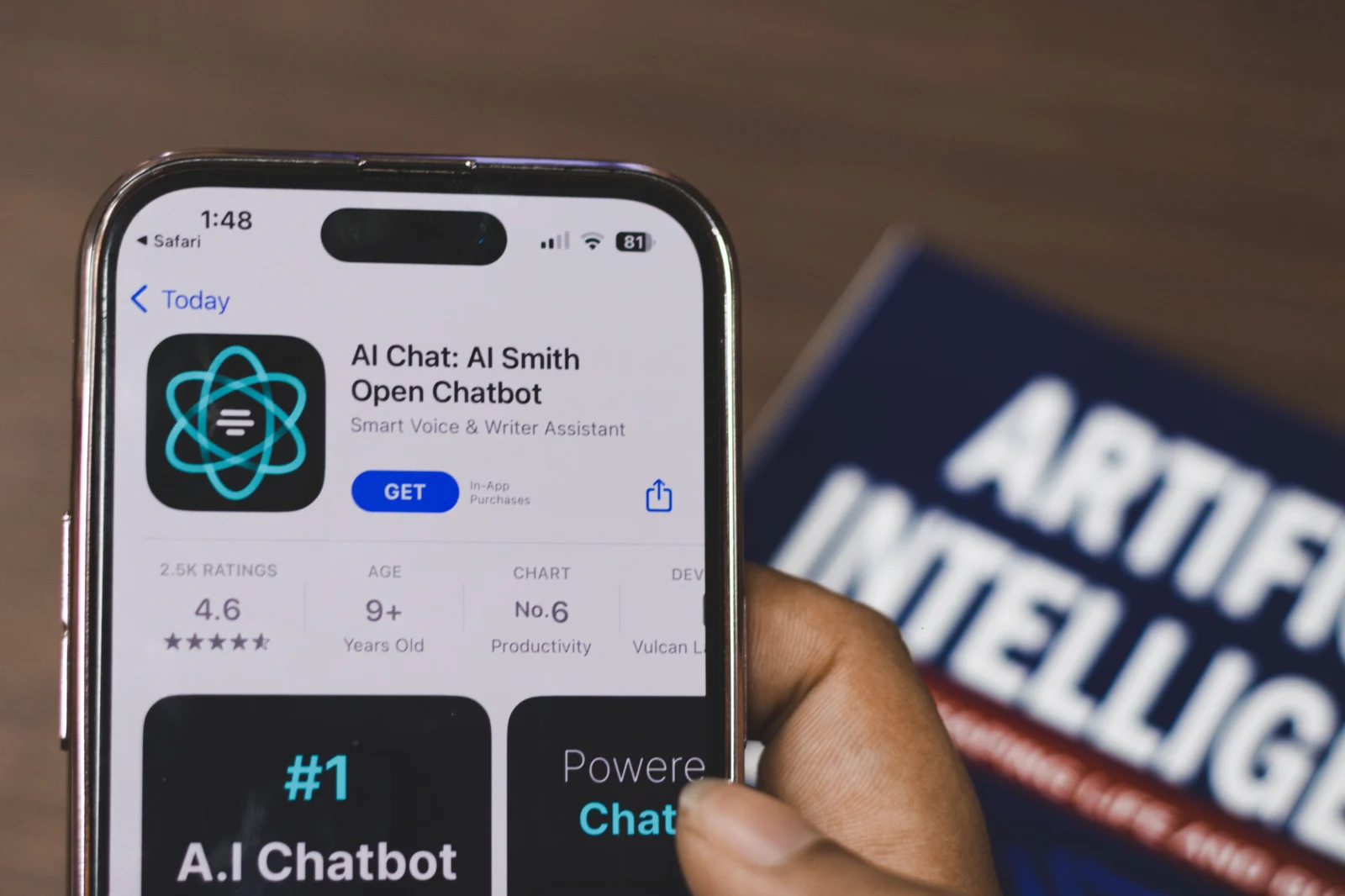
An AI chatbot for a small business can answer routine questions, guide visitors to the right service and collect useful enquiry details at any time of day. Used well, it gives customers a faster route to an answer and gives your team better information before a conversation begins.
Used badly, it becomes another irritating pop-up that invents answers or blocks access to a person. The difference is not simply the AI model. It is the quality of the information, instructions, safeguards and customer journey built around it.
This guide looks at the genuinely useful applications, likely costs and questions to answer before adding an AI assistant to your website.
What does an AI website chatbot do?
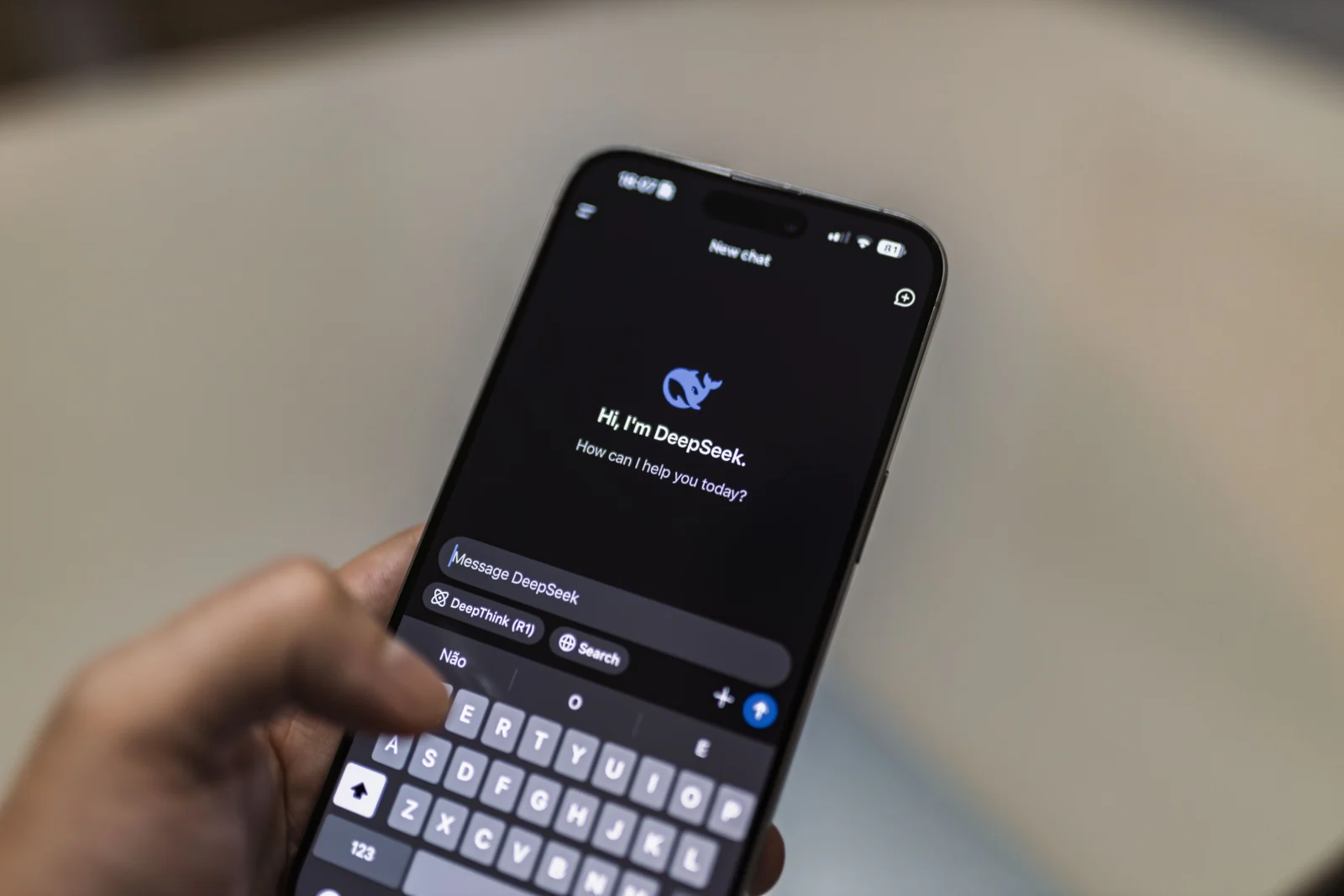
A conventional chatbot follows a fixed decision tree. An AI chatbot can understand a wider range of natural questions and answer from an approved knowledge base containing your services, policies, locations, processes and frequently asked questions.
It can also ask qualifying questions, recommend a relevant page, capture contact details and pass the conversation to your CRM or team. It should not be given permission to guess prices, make commitments or provide regulated advice.
Answer
Handle common service, availability and process questions using information you approve.
Qualify
Ask a short sequence of relevant questions before creating a properly structured enquiry.
Connect
Send the conversation, contact and requested service into your CRM for timely follow-up.
Where an AI chatbot is genuinely useful
Out-of-hours enquiries
Visitors often research suppliers in the evening. A chatbot can answer initial questions and collect the information needed for a useful response the next working day. It should set an honest expectation rather than pretending a person is immediately available.
Complex service navigation
If you offer several services, the assistant can ask what the visitor wants to achieve and guide them to the most relevant page, guide or booking option.
Frequently asked questions
Questions about service areas, timescales, preparation, support and next steps can be answered consistently. The approved source material must be kept current.
Lead qualification
A good assistant can collect the service required, location, broad timescale and preferred contact method. Keep the conversation short and explain why information is being requested.
Existing customer support
The chatbot can surface instructions and common troubleshooting information, then escalate to a person when the issue is unusual or sensitive.
What should an AI chatbot never do?
It should not invent an answer, hide that it is automated, collect unnecessary personal information or make a promise your business cannot keep. It also needs a clear human handover.
For medical, legal, financial or safety-critical subjects, the boundaries must be especially strict. In many businesses, the assistant should locate approved information and arrange contact rather than attempt to give advice.
How much does an AI chatbot cost?
Cost depends on conversation volume, the systems it connects to, the complexity of the knowledge base and the level of reporting or human handover required.
A simple assistant that answers approved questions costs less than one that qualifies leads, checks availability, updates a CRM and supports several departments. Ongoing monitoring matters because services, pricing and customer questions change.
The useful calculation is not the cheapest monthly subscription. Compare the complete cost with time saved, enquiries recovered, response time and the quality of information passed to your team.
Seven questions to answer before you build one
- Which customer questions should it answer?
- Which approved content will form its knowledge base?
- What information is genuinely needed to qualify an enquiry?
- When must it stop and involve a person?
- How will consent and personal data be handled?
- Which CRM, calendar or support tools should it connect to?
- Who will review conversations and improve the answers?
AI chatbot or live chat?
Live chat is ideal when a knowledgeable team member is available and response speed can be maintained. An AI assistant is better for immediate routine help and structured out-of-hours enquiry capture. Many businesses benefit from both: AI handles the first step and a person takes over when the conversation needs judgement.
Does your business need one?
An AI chatbot is worth considering if your website receives repeated questions, visitors struggle to choose a service, enquiries arrive outside working hours or your team spends too much time collecting the same initial details.
It will not fix unclear services or a weak website. Start with a strong business website, useful content and a defined customer journey. Then use the assistant to make that journey faster.
Explore Jigsaw’s AI and automation services, learn about business process automation, or see how CRM automation improves lead follow-up.

Could your website answer and qualify more enquiries?
We create useful AI assistants around your real services, content and customer journey, with a clear route to your team.




